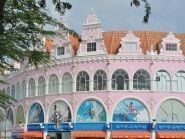
P44W Aruba
John, W2GD will be active as P44W from Santa Cruz, Aruba Island, IOTA SA -036,, 16 - 23 February 2026. He will operate on HF Bands, including activity in ARRL DX CW Contest in SOAB Category.Recent DX Spots P44WP44W Log searchSearch QSL via LoTW and N2MM. Ads for direct QSL: Carol Richards, 22 MILL RD, SHAMONG, NJ 08088, USA. Colonization of the island, located near the coast of Venezuela, began in the early 16th century. The first inhabitants of the area were deported Spaniards and inhabitants of the Netherlands. They worked in the mines in Santo Domingo, extracting copper for import to the mainland. After the mines were depleted, the island became a military base for the Spanish navy. The invaders, in the form of the Dutch, began to develop agriculture, taking advantage of the fertile soil and suitable climatic conditions for the cultivation of cereal crops. In parallel with farming, cattle breeding developed. The colonizers bred horses and increased the number of goats every year. A few years later, the area was called Geiteneiland, which means "Island of the Goats". In 1684, the production of red paint, the main ingredient of which was extracted from the Brazilian Brazielhout tree on the southern coast of Aruba, was opened. The successful manufacture attracted the attention of neighboring countries eager to strengthen their financial well-being. British troops occupied the island in the early 19th century. For more than 20 years, the new masters took advantage of its natural riches, after which Holland regained the reins of power. During the British rule, gold deposits were discovered in the area. A "gold rush" began, which did not subside until the outbreak of the First World War. Fortunately for the locals, the reserves were exhausted, and the flow of gold miners receded from the island.
Source: DXNews
Read More